
Existing-product support
Bring the product you sell today and tell us where supply is getting difficult. We can discuss supply-chain management without assuming you need a redesign.

One American-owned team coordinating your China-side sourcing, production, quality and delivery — including products already on the market.
Discuss your projectIf your product is already on the market, you may not need another development programme. You may need someone who keeps sourcing, production, quality and delivery connected. CNBS can take on that coordination while you stay focused on your customers.
Bring the product you sell today and tell us where supply is getting difficult. We can discuss supply-chain management without assuming you need a redesign.
Specifications, samples, production updates and quality issues stay with the same team. Our Jida office, Pingsha factory, Hong Kong office and California office form one connected business.
We work through packing, freight and documentation needs as part of the agreed scope. Destination, timing and who is responsible for each stage are discussed with you.
Long-term work with VintageView and SaunaSpace reflects the ongoing coordination behind a product range, not just a one-time sample.

Wall-mounted wine pegs, manufactured in-house.
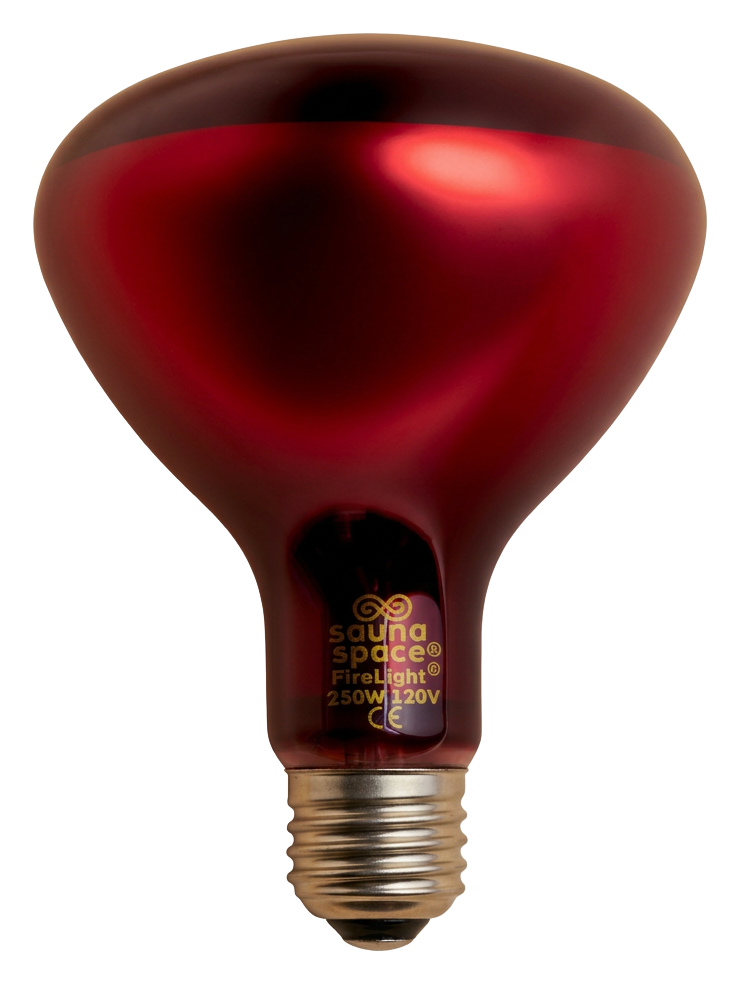
Years of bulb production, with exacting quality control.
Share your product, existing specifications, order needs and the supply problems you want taken off your plate.
Decide what CNBS will manage and what you will keep in-house, including quality and delivery coordination.
The local team follows through on sourcing and production, bringing issues and decisions back to you.
Every project is different. Scope and pricing are agreed directly with you — project by project.
Most customers choose our full, end-to-end solution: development, sourcing, manufacturing, quality control and delivery coordination. Our work managing the China-side process is included in your agreed project and product pricing, so you have one accountable partner instead of juggling suppliers and solving problems from overseas.
We can also discuss focused support — from drawings and design for manufacturing to sourcing or supply-chain management. Tell us what you want to keep in-house and where you need us; we’ll agree the scope and costs together before work begins.