
From idea to drawings
We discuss what the product should do, then agree the drawing and specification work needed. Drawing preparation is a paid service, with scope and costs discussed before it begins.
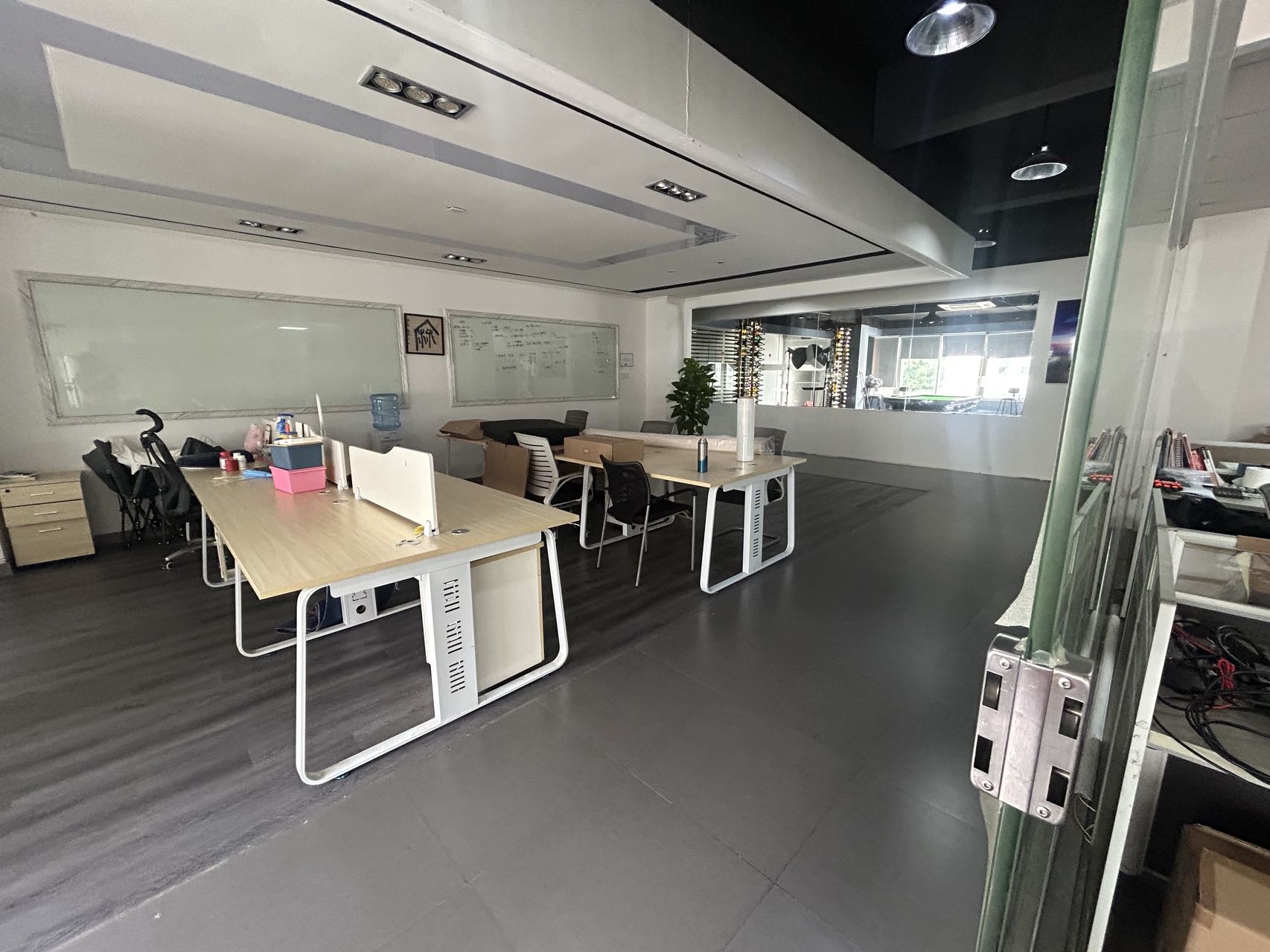
Turn an idea, drawing pack or existing product into an agreed production plan with an American-owned team on the ground in China.
Discuss your projectSome clients arrive with drawings. Others have an idea but need help preparing them. Others already sell a product and want a better way to make or supply it. We start with your situation and agree the work that is useful — not a generic programme you have to buy into.
We discuss what the product should do, then agree the drawing and specification work needed. Drawing preparation is a paid service, with scope and costs discussed before it begins.
Engineering, sourcing, samples and manufacturing decisions are brought together. We work through the gaps on the ground and involve you in the approvals.
Development does not always mean starting over. Design for manufacturing or supply-chain management can be the right next step for a product already in the market.
We support customer products such as SaunaSpace components and build internal brands such as Silent Valor. That experience keeps development grounded in real products.
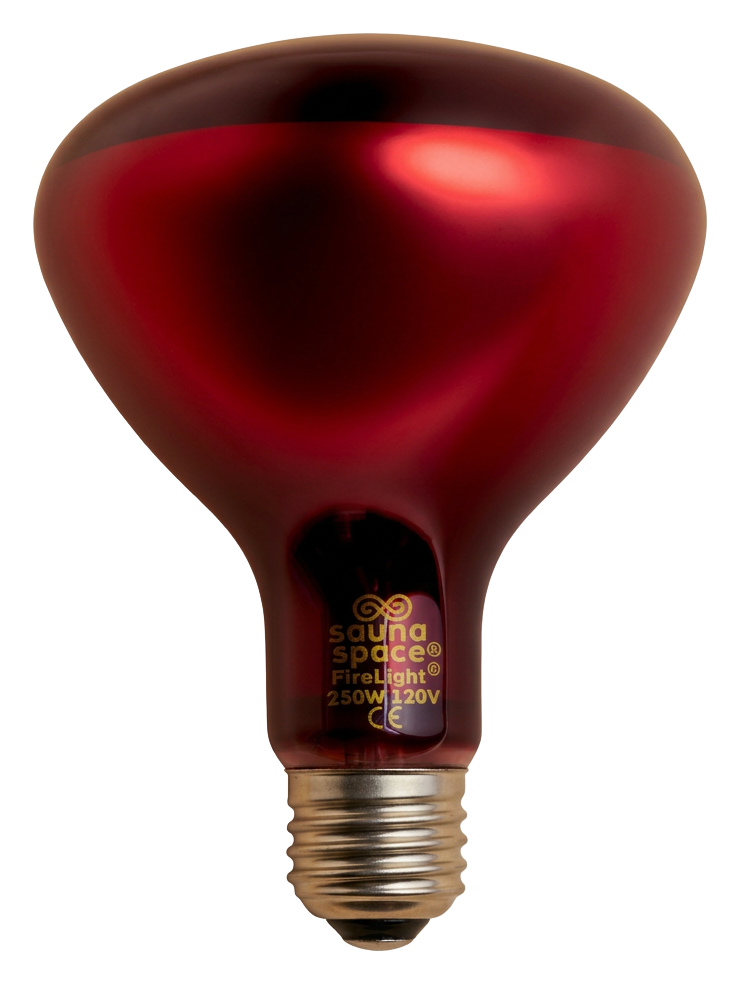
Years of bulb production, with exacting quality control.
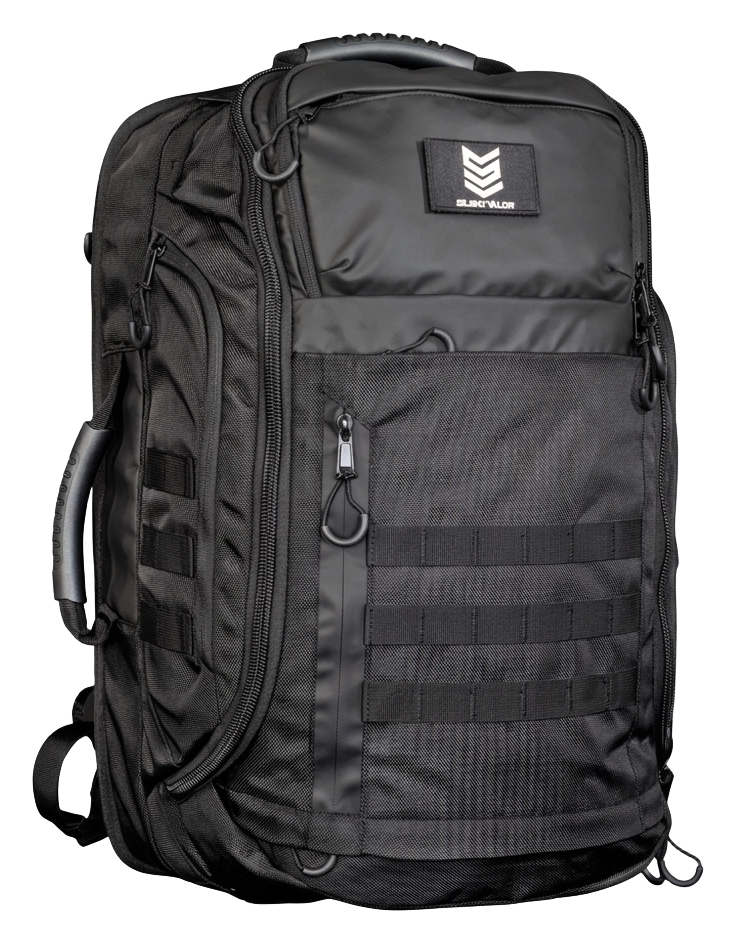
Our own premium backpack brand, sold on Amazon.
Bring files, a sketch, a sample, a product listing or a goal. Tell us what you want to achieve.
We discuss the development work, commercial arrangement and costs before work starts.
The agreed work connects design, samples, production, quality and delivery rather than leaving you to bridge each handover.
Every project is different. Scope and pricing are agreed directly with you — project by project.
Most customers choose our full, end-to-end solution: development, sourcing, manufacturing, quality control and delivery coordination. Our work managing the China-side process is included in your agreed project and product pricing, so you have one accountable partner instead of juggling suppliers and solving problems from overseas.
We can also discuss focused support — from drawings and design for manufacturing to sourcing or supply-chain management. Tell us what you want to keep in-house and where you need us; we’ll agree the scope and costs together before work begins.