
Product-led sourcing
Start with the drawings, sample, intended use and quality requirements. We use those to guide material and manufacturing discussions, rather than treating the lowest quote as the whole answer.
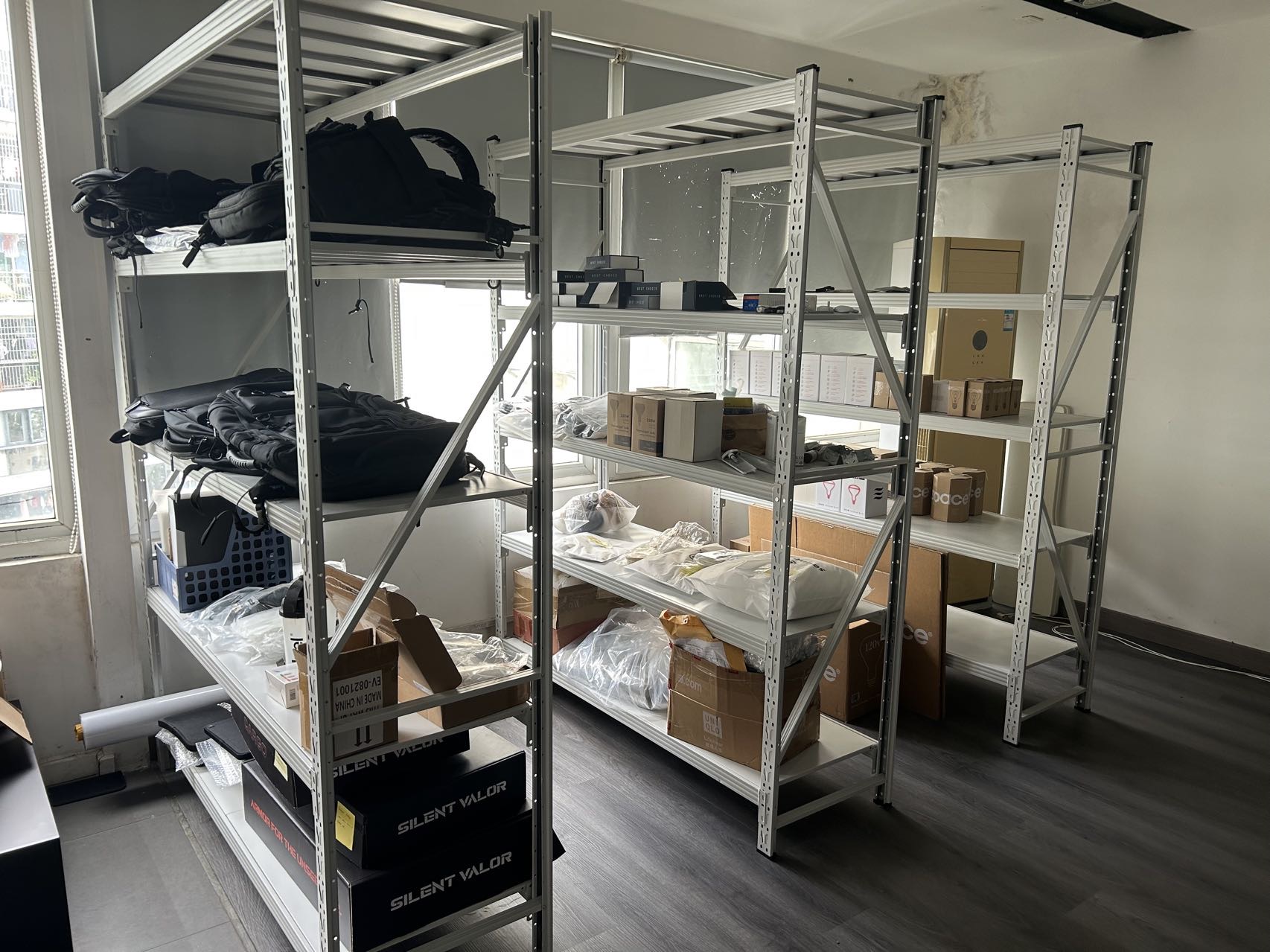
China-side sourcing grounded in your drawings, materials and quality requirements, with local follow-up instead of distant supplier guesswork.
Discuss your projectSourcing is more than getting a quote. The material, sample and production requirements need to line up with what your product actually needs. With 20+ years on the ground in China, CNBS helps you work through those decisions and deal with the gaps locally.
Start with the drawings, sample, intended use and quality requirements. We use those to guide material and manufacturing discussions, rather than treating the lowest quote as the whole answer.
Compare proposed materials and samples against your requirements before making production decisions. SaunaSpace cover canvas is one example: GOTS-certified organic cotton in multiple colors through an ethical, GOTS-certified factory.
We keep sourcing discussions connected to engineering, quality and production. You have one team to speak to when a sample needs changing or a specification needs clarifying.
The breadth of our SaunaSpace work shows why sourcing needs to follow the product: technical cotton materials and electronics require very different conversations.

Heavyweight organic canvas for the cover set, across multiple colors.
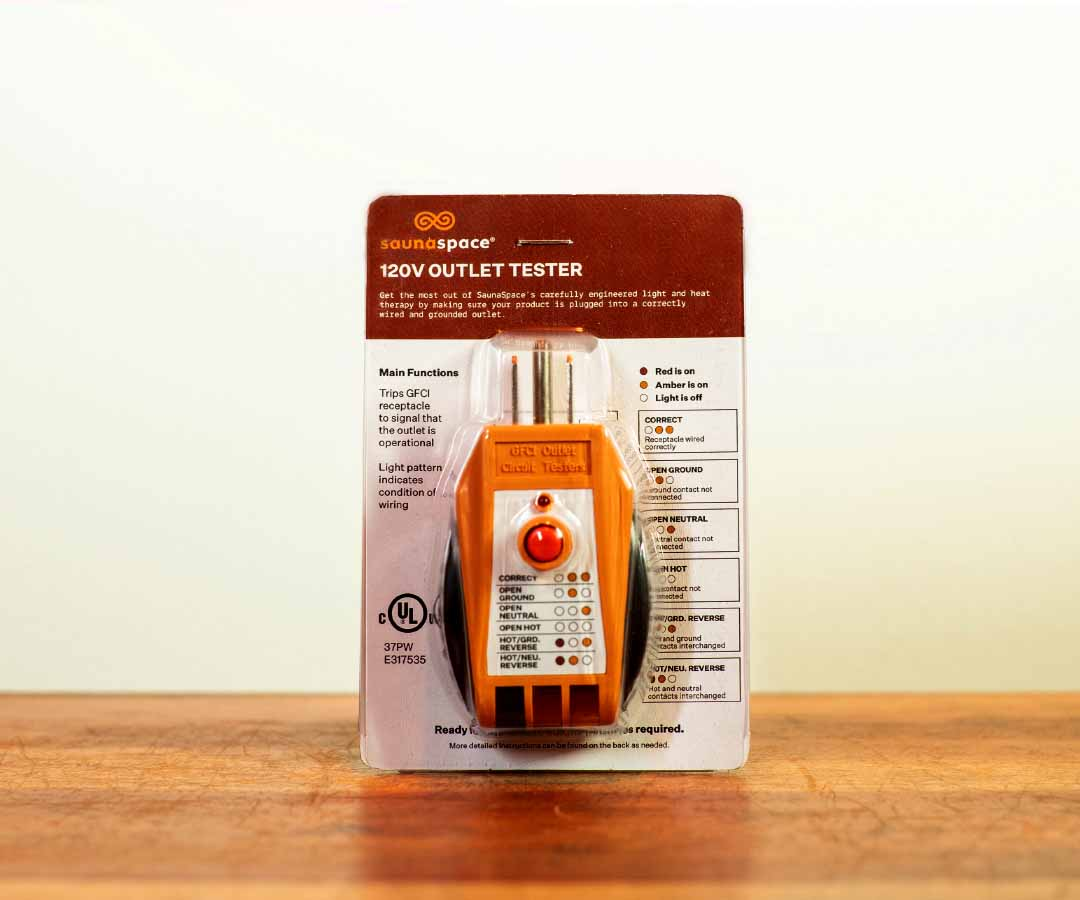
Outlet tester produced for SaunaSpace, checked before it ships.
Tell us what you need, what is non-negotiable and what you want to improve about the current supply.
We work through the practical options with you, including materials, quality expectations and costs.
Once the scope is agreed, sample decisions and specifications carry through to the manufacturing and supply-chain work you want us to manage.
Every project is different. Scope and pricing are agreed directly with you — project by project.
Most customers choose our full, end-to-end solution: development, sourcing, manufacturing, quality control and delivery coordination. Our work managing the China-side process is included in your agreed project and product pricing, so you have one accountable partner instead of juggling suppliers and solving problems from overseas.
We can also discuss focused support — from drawings and design for manufacturing to sourcing or supply-chain management. Tell us what you want to keep in-house and where you need us; we’ll agree the scope and costs together before work begins.